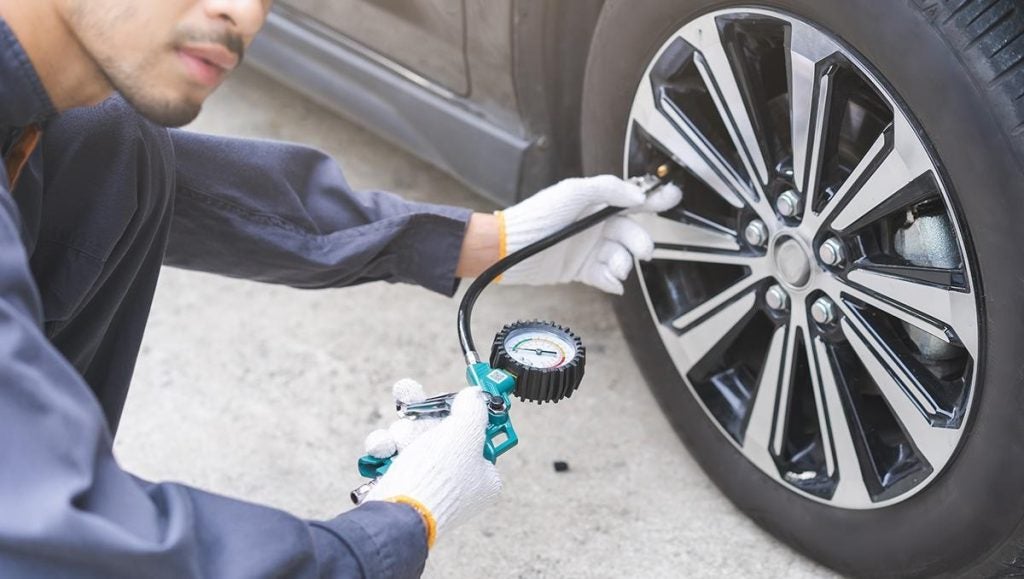


You drive your vehicle so much, sometimes you take for granted how hard it works for you. It is something that is made, after all, with numerous mechanical components. Something is bound to break down, and that could leave you stranded one day. That's why it's important to pay attention to the warning signs your vehicle gives you. There are things you will see, hear, smell and feel that are all signs that something may not be right. Your vehicle's transmission is one of the most hardworking components, so it's important to pay attention to signs that it may be having problems. Without a properly working transmission, your vehicle can't operate properly, or even at all. When you sense there is a problem with your vehicle's transmission, take it to Rob Green GMC as soon as possible. Don't let a minor repair turn into a major problem because you didn't pay attention to the warning signs. Here are some of the signals you should pay attention to that suggest your vehicle's transmission needs immediate attention. Poor response, or none at all You know what your vehicle feels like when it's running smoothly, so pay attention to any hesitation or difficulty your vehicle experiences as it attempts to shift into the next gear. There could be a number of reasons this is happening, including electrical, mechanical or even hydraulic. But they all need attention as soon as possible. Otherwise, you could face much bigger problems down the road. This can be a warning sign in a vehicle with an automatic or a manual transmission. In a manual vehicle, you might feel a hesitation in the next gear engaging, or loss of acceleration that then jolts into a faster speed. Perhaps you feel like the car is just struggling to accelerate, which can also be a sign of gear slipping. Listen to the strange sounds Just as you know how your vehicle feels when it is operating normally, you also know the sounds it makes. Pay attention to the new, odd and different sounds you may hear, which could be evidence of a transmission problem. Your mechanic can help you identify what it means and how to address it. The noises most commonly heard as a transmission is beginning to experience problems are whining, buzzing, grinding and clunking. It's hard to know exactly what is causing the strange sound. Perhaps it's a small part, or maybe a major component that makes up your transmission. It could be sounds warning of problems with the engine, the exhaust, the clutch or even the drive shaft, in addition to concerns about the transmission. Regardless, it needs immediate attention. Fluid leaks are not normal You may think that every vehicle has some leak or another, so it's not really a big deal if yours is leaking fluid. But it is probably the most obvious sign that something is not right, particularly when it comes to your transmission. The fluid in your transmission is an important lubricant that helps maintain, and even extend, the life of your vehicle. Your transmission is a closed system, which means it is not like other components of your vehicle that might produce leaks more commonly. If your transmission is leaking fluid, that's a sign that something is wrong. This could lead to overheating and eventual break down if you don't address it immediately. Contact the service department at Rob Green GMC to diagnose the problem that is causing the leak. Jerking and Shaking Means Trouble This is another one of those times when it seems obvious to say, but if you experience shaking and jerking while your vehicle is shifting gears, that's one of the more serious signs of trouble. You should take your vehicle to a mechanic immediately if your vehicle jerks or shakes because it could be a sign of transmission failure coming soon. Chances are these weren't the first warning signs your vehicle gave you that there is a problem. The trembling and shaking that's happening probably came after your vehicle struggled to shift into gear, a phenomenon known as gear slipping. While you may have ignored the slipping, ignoring the shaking and the jerking almost certainly means you will find yourself stranded on the side of the road soon. What's that smell? There can be the occasional bad odor coming from your car at times, maybe something that smells like burning. But if it's your transmission that's producing that smell, that's a sign of trouble you shouldn't ignore. It's particularly true if you experience that strange smell and don't see any fluid leaking. That's a good indication that your transmission is overheating and the fluid is burning, something that becomes more common as your vehicle approaches 100,000 miles. Pay attention to that smell of burning rubber coming from your car. That's probably transmission fluid, which smells different from engine oil when it burns. That smell might also be accompanied by smoke because the transmission fluid is getting extremely hot. It's important to maintain the functionality of your vehicle's transmission fluid because once it burns, it stops lubricating and managing heat properly. And that can lead to major breakdowns in your transmission in the future. Check your engine when your dashboard says so If your check engine light comes on, make sure to have your engine checked. It's a sign that something could be wrong with your transmission, or other vehicle components. Take your vehicle to Rob Green GMC's service department to have a complete diagnostic conducted on your vehicle. The expert mechanics there can find out why your engine light came on, and give you advice on what to do. This is one of the easiest and first signs to identify that there is a problem. You paid good money for your vehicle, so don't ignore the sophisticated monitoring system installed to alert you to trouble ahead.
What Drivers in Twin Falls and Jerome Should Know About Winter Driving
Winter driving in Twin Falls and Jerome, Idaho, requires preparation and caution to ensure safety on the region's icy and snow-covered roads. These areas often experience freezing temperatures and significant snowfall during the colder months, creating challenging driving conditions. Drivers should be proactive in preparing their vehicles and adapting their driving habits to stay safe. Prepare Your Vehicle Before venturing out in winter weather, it's essential to prepare your vehicle. Start by ensuring your tires have adequate tread and are rated for winter conditions. Snow tires or chains can provide added traction on icy roads. Check your battery, as cold weather can reduce its performance, and make sure your windshield wipers are in good condition with plenty of washer fluid rated for freezing temperatures. Keep an emergency kit in your car, including blankets, a flashlight, extra batteries, non-perishable food, water, and a small shovel in case you get stuck. If you want to know more about preparing your vehicle, click here. Driving Techniques for Safety When driving in snowy or icy conditions, reduce your speed and increase your following distance to allow for more reaction time. Sudden movements, like sharp turns or hard braking, can cause your vehicle to lose traction. Instead, brake gently to avoid skidding, and if you do start to slide, steer gently in the direction of the skid until you regain control. Use your headlights during the day to improve visibility and ensure other drivers can see you in poor weather. Know the Local Conditions The roads around Twin Falls and Jerome can be particularly treacherous in certain areas, such as bridges and overpasses, which tend to freeze before regular roads. Rural roads and highways in this region may not be plowed as frequently, so it's wise to check weather and road conditions before heading out. The Idaho Transportation Department (ITD) provides updated road conditions and closures, which can help you plan your route or decide if it's safer to delay your trip. Stay Calm and Alert Patience and vigilance are key to winter driving. Keep distractions to a minimum and stay focused on the road. If the weather worsens and visibility is severely reduced, consider pulling over to a safe location until conditions improve. Planning your trips with extra time allows you to drive cautiously without feeling rushed. By taking these precautions, drivers in Twin Falls and Jerome can navigate winter roads more safely and reduce the risk of accidents. Winter driving requires more effort, but with preparation and a careful approach, it is possible to travel safely through the season.