


Winter driving in Twin Falls and Jerome, Idaho, requires preparation and caution to ensure safety on the region’s icy and snow-covered roads. These areas often experience freezing temperatures and significant snowfall during the colder months, creating challenging driving conditions. Drivers should be proactive in preparing their vehicles and adapting their driving habits to stay safe.
Prepare Your Vehicle
Before venturing out in winter weather, it’s essential to prepare your vehicle. Start by ensuring your tires have adequate tread and are rated for winter conditions. Snow tires or chains can provide added traction on icy roads. Check your battery, as cold weather can reduce its performance, and make sure your windshield wipers are in good condition with plenty of washer fluid rated for freezing temperatures. Keep an emergency kit in your car, including blankets, a flashlight, extra batteries, non-perishable food, water, and a small shovel in case you get stuck.
If you want to know more about preparing your vehicle, click here.
Driving Techniques for Safety
When driving in snowy or icy conditions, reduce your speed and increase your following distance to allow for more reaction time. Sudden movements, like sharp turns or hard braking, can cause your vehicle to lose traction. Instead, brake gently to avoid skidding, and if you do start to slide, steer gently in the direction of the skid until you regain control. Use your headlights during the day to improve visibility and ensure other drivers can see you in poor weather.
Know the Local Conditions
The roads around Twin Falls and Jerome can be particularly treacherous in certain areas, such as bridges and overpasses, which tend to freeze before regular roads. Rural roads and highways in this region may not be plowed as frequently, so it’s wise to check weather and road conditions before heading out. The Idaho Transportation Department (ITD) provides updated road conditions and closures, which can help you plan your route or decide if it’s safer to delay your trip.
Stay Calm and Alert
Patience and vigilance are key to winter driving. Keep distractions to a minimum and stay focused on the road. If the weather worsens and visibility is severely reduced, consider pulling over to a safe location until conditions improve. Planning your trips with extra time allows you to drive cautiously without feeling rushed.
By taking these precautions, drivers in Twin Falls and Jerome can navigate winter roads more safely and reduce the risk of accidents. Winter driving requires more effort, but with preparation and a careful approach, it is possible to travel safely through the season.
Warning Signs Your Car Has Transmission Issues
You drive your vehicle so much, sometimes you take for granted how hard it works for you. It is something that is made, after all, with numerous mechanical components. Something is bound to break down, and that could leave you stranded one day.
That’s why it’s important to pay attention to the warning signs your vehicle gives you. There are things you will see, hear, smell and feel that are all signs that something may not be right. Your vehicle’s transmission is one of the most hardworking components, so it’s important to pay attention to signs that it may be having problems. Without a properly working transmission, your vehicle can’t operate properly, or even at all.
When you sense there is a problem with your vehicle’s transmission, take it to Rob Green GMC as soon as possible. Don’t let a minor repair turn into a major problem because you didn’t pay attention to the warning signs. Here are some of the signals you should pay attention to that suggest your vehicle’s transmission needs immediate attention.
Poor response, or none at all
You know what your vehicle feels like when it’s running smoothly, so pay attention to any hesitation or difficulty your vehicle experiences as it attempts to shift into the next gear. There could be a number of reasons this is happening, including electrical, mechanical or even hydraulic. But they all need attention as soon as possible. Otherwise, you could face much bigger problems down the road.
This can be a warning sign in a vehicle with an automatic or a manual transmission. In a manual vehicle, you might feel a hesitation in the next gear engaging, or loss of acceleration that then jolts into a faster speed. Perhaps you feel like the car is just struggling to accelerate, which can also be a sign of gear slipping.
Listen to the strange sounds
Just as you know how your vehicle feels when it is operating normally, you also know the sounds it makes. Pay attention to the new, odd and different sounds you may hear, which could be evidence of a transmission problem. Your mechanic can help you identify what it means and how to address it.
The noises most commonly heard as a transmission is beginning to experience problems are whining, buzzing, grinding and clunking. It’s hard to know exactly what is causing the strange sound. Perhaps it’s a small part, or maybe a major component that makes up your transmission. It could be sounds warning of problems with the engine, the exhaust, the clutch or even the drive shaft, in addition to concerns about the transmission. Regardless, it needs immediate attention.
Fluid leaks are not normal
You may think that every vehicle has some leak or another, so it’s not really a big deal if yours is leaking fluid. But it is probably the most obvious sign that something is not right, particularly when it comes to your transmission.
The fluid in your transmission is an important lubricant that helps maintain, and even extend, the life of your vehicle. Your transmission is a closed system, which means it is not like other components of your vehicle that might produce leaks more commonly. If your transmission is leaking fluid, that’s a sign that something is wrong. This could lead to overheating and eventual break down if you don’t address it immediately. Contact the service department at Rob Green GMC to diagnose the problem that is causing the leak.
Jerking and Shaking Means Trouble
This is another one of those times when it seems obvious to say, but if you experience shaking and jerking while your vehicle is shifting gears, that’s one of the more serious signs of trouble. You should take your vehicle to a mechanic immediately if your vehicle jerks or shakes because it could be a sign of transmission failure coming soon.
Chances are these weren’t the first warning signs your vehicle gave you that there is a problem. The trembling and shaking that’s happening probably came after your vehicle struggled to shift into gear, a phenomenon known as gear slipping. While you may have ignored the slipping, ignoring the shaking and the jerking almost certainly means you will find yourself stranded on the side of the road soon.
What’s that smell?
There can be the occasional bad odor coming from your car at times, maybe something that smells like burning. But if it’s your transmission that’s producing that smell, that’s a sign of trouble you shouldn’t ignore. It’s particularly true if you experience that strange smell and don’t see any fluid leaking. That’s a good indication that your transmission is overheating and the fluid is burning, something that becomes more common as your vehicle approaches 100,000 miles.
Pay attention to that smell of burning rubber coming from your car. That’s probably transmission fluid, which smells different from engine oil when it burns. That smell might also be accompanied by smoke because the transmission fluid is getting extremely hot. It’s important to maintain the functionality of your vehicle’s transmission fluid because once it burns, it stops lubricating and managing heat properly. And that can lead to major breakdowns in your transmission in the future.
Check your engine when your dashboard says so
If your check engine light comes on, make sure to have your engine checked. It’s a sign that something could be wrong with your transmission, or other vehicle components.
Take your vehicle to Rob Green GMC’s service department to have a complete diagnostic conducted on your vehicle. The expert mechanics there can find out why your engine light came on, and give you advice on what to do. This is one of the easiest and first signs to identify that there is a problem. You paid good money for your vehicle, so don’t ignore the sophisticated monitoring system installed to alert you to trouble ahead.
Twin Falls and Surrounding Communities Involvement
Community Involvement
Rob Green Auto Group is deeply committed to supporting the Twin Falls and Magic Valley communities through active engagement and generous contributions. The dealership regularly sponsors local events, youth sports teams, and charitable initiatives, demonstrating a steadfast dedication to fostering community growth and well-being. Rob Green Auto Group consistently seeks opportunities to give back and strengthen the region it serves. This commitment reflects their belief in building lasting relationships and making a positive impact beyond the showroom.
College of Southern Idaho
Rob Green Auto Group proudly supports the Twin Falls community by partnering with the College of Southern Idaho (CSI) athletics. Our commitment goes beyond providing vehicles—we actively invest in local sports programs, fostering opportunities for student-athletes to excel both on and off the field. By championing CSI athletics, Rob Green Auto Group strengthens community spirit and helps cultivate the next generation of leaders in Southern Idaho. Our annual Rob Green Night takes place on Wednesday, January 8th 2025. To see the entire basketball schedule click here!

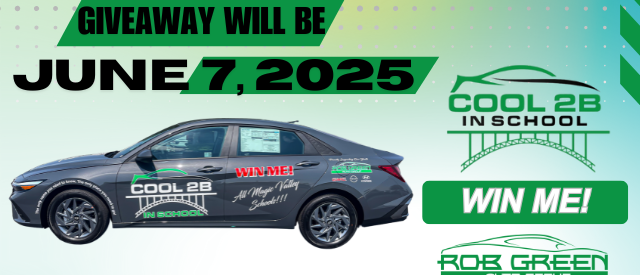
Cool To Be In School- Car Giveaway
Every year Rob Green Auto Group gives away a brand new car to a qualifying High School student from the Magic Valley. If you want to learn more about how to enter and qualifications click here!
Twin Falls County Fair and Magic Valley Stampede
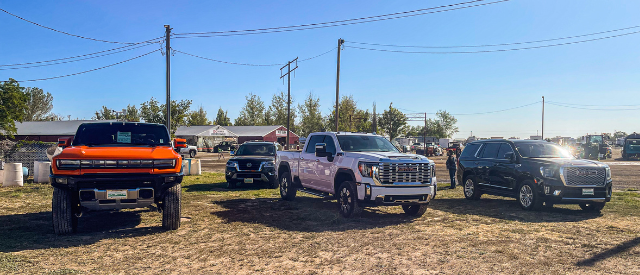
Rob Green Auto Group proudly supports the Twin Falls County Fair and Magic Valley Stampede, showcasing a commitment to community involvement and local events. As a trusted name in the automotive industry, their sponsorship enhances the fair experience, fostering connections and excitement within Twin Falls County. Rob Green Auto Group, the only name you need to know, the only place you need to go! Purchase fair tickets here!
Magic Valley Air Show
Rob Green Auto Group is proud to support and sponsor the Magic Valley Air Show, a spectacular event that brings excitement and inspiration to our community. This partnership reflects Rob Green’s commitment to celebrating and fostering connections that uplift the Magic Valley. By contributing to this awe-inspiring showcase of aviation excellence, Rob Green Auto Group helps create unforgettable experiences for families and aviation enthusiasts alike, demonstrating their dedication to both the community and the spirit of adventure. Purchase tickets here!
Tire Pressure

The key to unlocking your vehicles true potential: tire pressure mastery!
Rob Green GMC is here to share some exhilarating insights into the world of tire pressure and its profound impact on your vehicle’s performance, safety, and fuel efficiency. It’s time to elevate your driving experience by understanding the importance of tire pressure and mastering the art of maintaining it. Let’s dive into the whys and hows of tire pressure and unveil the secrets to a smoother, safer, and more efficient ride.
Unlocking the Tire Pressure Mystery: Why Does It Matter?
Tire pressure plays a pivotal role in your vehicle’s overall health, and here’s why you can’t afford to overlook it:
Safety First: Both underinflated and overinflated tires can compromise your vehicle’s handling, traction, and stability, making you more prone to accidents, blowouts, and hydroplaning during wet conditions.
Fuel Efficiency Boost: When your tires are correctly inflated, they offer reduced rolling resistance, meaning your vehicle consumes less fuel. Did you know that the U.S. Department of Energy states that maintaining optimal tire pressure can improve your gas mileage by up to 3.3%?
Long-lasting Tires: Preserving the right tire pressure minimizes wear and tear, prolonging the life of your tires. While underinflated tires suffer from uneven wear, overinflated tires exhibit reduced contact patch and accelerated tread wear.
Mastering Tire Pressure: Checking and Maintenance Tips
To fully harness the power of optimal tire pressure, make it a habit to check and maintain it regularly. Here’s how you can become a tire pressure pro:
Equip Yourself with a Top-notch Tire Pressure Gauge: A dependable tire pressure gauge is an indispensable tool for every driver. Opt for digital gauges, which boast greater accuracy and readability compared to their analog counterparts.
Check Tire Pressure When Tires Are Cold: Tire pressure rises as tires heat up during driving. To ensure accurate readings, measure your tire pressure after your vehicle has been parked for at least three hours.
Find the Recommended Tire Pressure: Discover your vehicle’s ideal tire pressure on the placard located on the driver’s side door jamb or consult your owner’s manual.
Regular Check-ups Are Key: Make it a routine to check your tire pressure at least once a month and before embarking on long journeys. And remember, your spare tire deserves attention, too!
Factors that Influence Tire Pressure
Be aware of the elements that can cause your tire pressure to fluctuate:
Temperature Swings: Expect your tire pressure to change by approximately 1 PSI for every 10 degrees Fahrenheit temperature variation.
High-altitude Adventures: Tire pressure tends to decrease at higher altitudes due to lower air pressure.
Tire Damage: Air leaks resulting from punctures, cuts, or other tire damage can lead to a drop in tire pressure.
At Rob Green GMC in Twin Falls, we’re passionate about empowering our customers with the knowledge and skills to maximize their vehicles’ potential. Regularly checking and maintaining your tire pressure is a simple yet vital step towards a safer, more efficient, and more enjoyable driving experience. If you have any concerns about your tire pressure or need assistance, our dedicated and knowledgeable service team is always at your service. Visit us today for exceptional service and expert guidance!
The Dangers of Driving with Low Oil Level
The engine of every fuel-powered vehicle needs oil to function properly. Aside from that, engines need enough oil; not too much and not too little. The roles that oil serves in the engines of vehicles makes it a very important fluid for engines to have. There are several risks and dangers that drivers can introduce their vehicles to when they drive with low oil levels.
The Role of Oil
Oil has three purposes in a vehicle’s engine. Primarily, oil provides lubrication for a vehicle’s engine by forming a layer of film over the engine’s components. This film layer prevents the parts from grinding against one another and causing unnecessary damage.
Oil helps keep an engine cool by absorbing the heat that the engine produces as it runs. The engine’s oil, which continuously cycles around the engine as the engine is running, then dissipates this heat through convection.
As it passes over the components of a vehicle’s engine, oil collects debris and keeps the engine’s components clean. The oil filter of the engine then picks up this debris as the oil passes through the filter. This process is continually repeated as a vehicle’s engine runs.
Problems Caused by Low Oil Levels
There are a variety of problems that can be caused when a driver drives their vehicle with a low oil level. Oil cannot function properly in a vehicle’s engine when there isn’t enough of the fluid. Primarily, oil cannot provide an adequate amount of lubrication to a vehicle’s engine when there isn’t enough oil in the engine. This can decrease the lifespan of the vehicle’s engine by allowing the parts to damage one another with excess friction between the parts.
When an engine’s oil level is low, the engine will not have enough oil to absorb the heat of the engine. Combined with the additional heat that is produced by the increased friction between the engine’s components, the engine will begin to be damaged by its excess heat. Excessive heat in a vehicle’s engine can damage the engine’s parts and can easily cause the parts to warp, forcing them to lose alignment with one another.
An engine will not be cleaned properly when its oil level is too low. The engine will simply not have enough oil to pass over its internal components, and the oil that is in the engine will become too contaminated to sufficiently clean the engine. Therefore, the debris of the engine will remain in the engine and can cause further damage to the engine.
Checking Your Vehicle’s Oil Level
Checking your vehicle’s oil level can be very simple and is something that you should do routinely to avoid experiencing the problems that are associated with driving with a low oil level. If your vehicle is equipped with the technology, then checking the oil level of your vehicle’s engine can be as simple as pressing a few buttons and accessing a few menus from the cabin of the vehicle. Check your vehicle’s owner’s manual for instructions if it is equipped with this feature.
The engines of many vehicles are equipped with dipsticks. Dipsticks allow drivers to check the oil levels of their vehicles’ engines. If your vehicle has a dipstick, then you can check the engine’s oil level by parking the vehicle on a flat surface and removing the dipstick from its tube. Once you have removed the dipstick, you will need to use a rag to wipe off the existing oil that is on the dipstick. After wiping off the dipstick, place it back into its tube and remove it once again. There will be oil once again on the dipstick, and you will then need to look at where the top of the oil line is on the dipstick. If the top of the oil line is in between the “minimum” and “maximum” markings of the dipstick, then your vehicle’s engine has enough oil in it. If the line is below the minimum marking, then you will need to fill your vehicle’s engine with more oil.
Oil Change Maintenance Schedule
To make sure that your vehicle’s engine always has an adequate amount of fresh oil, you should have the vehicle’s oil changed routinely. Manufacturers generally recommend that drivers have their vehicles’ oil changed between every 3,000 to 5,000 miles. However, there are many different types of oil that are available on the market and many different types of engines that are used in vehicles. Therefore, you should refer to your vehicle’s owner’s manual to determine what the manufacturer recommends for your specific vehicle.
Conclusion
You should always make sure that your vehicle’s engine has enough oil. Oil is one of the most important fluids for your vehicle’s engine and will prevent the engine from being damaged as it runs. At Rob Green Buick GMC, we provide products and services that you can depend on. Visit our dealership if you would like to learn more about proper vehicle maintenance or would like us to service your vehicle.

Proper vehicle preparation is one of the most critical steps to ensure safe winter driving in Twin Falls and Jerome, where snow, ice, and freezing temperatures are common. Ensuring your vehicle is ready for the season can significantly reduce the risk of breakdowns or accidents in harsh conditions. Here are key aspects to focus on when preparing your car for winter weather:
Winter Tires and Chains
Tires are your vehicle’s first line of defense against slippery roads. Winter or snow tires are designed with softer rubber and deeper treads, providing a better grip on icy or snow-covered surfaces. If your car is equipped with all-season tires, make sure they are in excellent condition with at least 6/32-inch tread depth for winter driving. Carrying tire chains is also a good idea, especially for rural areas or steep inclines where traction may be severely limited.
Battery and Electrical System
Cold temperatures can dramatically reduce a car battery’s efficiency, so it’s crucial to test your battery before winter. Many auto parts stores and mechanics offer free battery checks. Ensure your battery terminals are clean and securely connected. If your battery is more than three years old, consider replacing it to avoid being stranded in freezing weather. Also, check that all your vehicle’s lights such as headlights, brake lights, and turn signals are functioning properly, as shorter days and poor visibility make them more critical.
Windshield Wipers and Fluid
Visibility is essential during winter storms, so ensure your windshield wipers are in good condition and can effectively clear snow and ice. Replace wiper blades if they streak or leave areas of your windshield unclear. Use a washer fluid specifically formulated for winter conditions to prevent freezing in the reservoir and spray nozzles. Keeping an ice scraper and snow brush in your car is also a must for quickly clearing your windshield, mirrors, and windows before driving.
Heating and Defrosting Systems
Check your vehicle’s heating and defrosting systems to ensure they are working correctly. A functional heater keeps you warm, while an efficient defroster prevents fogging or icing on your windshield, which can impair visibility.
Emergency Kit Essentials
Always carry a well-stocked emergency kit tailored for winter driving. Include items such as a blanket, gloves, a flashlight with extra batteries, a phone charger, jumper cables, a tow strap, and a small shovel. Non-perishable snacks, water, and a first-aid kit are also recommended. Kitty litter or sand can be useful for gaining traction if your vehicle gets stuck.
Check Fluids and Maintenance
Cold weather affects your vehicle’s fluids, so make sure they are at the proper levels and rated for low temperatures:
• Engine oil: Consider using a winter-grade oil if your car manufacturer recommends it.
• Coolant: Verify the coolant is at the correct mix to prevent freezing.
• Brake fluid: Ensure it’s at the right level, as brakes are critical on icy roads.
Test the Four-Wheel Drive (4WD) System
If your vehicle has a 4WD system, test it before winter to confirm it engages properly. This system can provide better traction in snow, but it’s essential to know how to use it effectively.
By thoroughly preparing your vehicle, you’ll have the confidence and peace of mind to tackle the icy roads in Twin Falls and Jerome safely. Regular maintenance and the right equipment can make all the difference during Idaho’s challenging winter months.
Hummer EV SUV vs Tesla Model X vs Rivian R1S

Hummer EV SUV, Tesla Model X, and Rivian R1S, all offer cutting-edge electric technology and strong performance, but here’s why the Hummer EV SUV might stand out as the better option in this head-to-head:
1. Rugged Design and Off-Road Capability
• Hummer EV SUV: The Hummer is designed for serious off-roading, with its military-inspired ruggedness and features like the Crab Walk mode, which allows the vehicle to move diagonally. It also comes equipped with Extract Mode, which raises the vehicle by 6 inches for extreme terrain clearance. If you’re looking for a powerful, adventure-oriented SUV, the Hummer is unbeatable in off-road situations.
• Rivian R1S: The Rivian is built for adventure, but it doesn’t quite match the bold, rugged aesthetic or off-road features of the Hummer. It has Quad-Motor AWD and a good off-road suspension system but lacks some of the standout features like the Hummer’s Crab Walk.
• Tesla Model X: Tesla is more focused on luxury and performance on paved roads rather than true off-road capabilities. It lacks the off-road prowess of the Hummer and Rivian.
2. Power and Performance
• Hummer EV SUV: With up to 830 horsepower and a massive 11,500 lb.-ft of torque, the Hummer delivers incredible power. It can go from 0 to 60 mph in around 3.5 seconds, an impressive feat for such a large, robust vehicle. The Hummer is built for drivers who want raw power and capability.
• Rivian R1S: The Rivian is no slouch, offering up to 835 horsepower with impressive acceleration, but it doesn’t quite have the brute force feel that the Hummer provides.
• Tesla Model X: The Model X Performance version can reach 0-60 mph in an even quicker 2.5 seconds, but it is more about sleek, futuristic design than the Hummer’s raw, rugged power. The Model X’s power feels more refined, while the Hummer has an untamed, beastly energy.
3. Towing and Payload Capacity
• Hummer EV SUV: With a towing capacity of up to 7,500 pounds, the Hummer is great for heavy-duty hauling. Its payload capacity is also robust, making it perfect for those who need to tow boats, trailers, or heavy gear.
• Rivian R1S: The Rivian also offers decent towing capabilities of around 7,700 pounds, like the Hummer, but doesn’t stand out as much in terms of its payload options.
• Tesla Model X: While the Tesla Model X can tow up to 5,000 pounds, it’s not aimed at heavy-duty use like the Hummer. Its towing capacity is lower, and it doesn’t prioritize rugged tasks as much as the Hummer.
4. Bold and Iconic Aesthetic
• Hummer EV SUV: The Hummer has a distinctive, bold look that’s instantly recognizable. It’s a massive, commanding vehicle that exudes strength and presence on the road. If you want to make a statement, the Hummer’s design will certainly turn heads.
• Rivian R1S: Rivian has a clean, modern design but lacks the aggressive, iconic presence of the Hummer.
• Tesla Model X: The Tesla Model X is sleek and futuristic, with Falcon Wing doors that are cool and eye-catching, but its minimalist approach may not appeal to drivers who want the commanding aesthetic of the Hummer.
5. Off-Road Technology and Features
• Hummer EV SUV: Beyond Crab Walk and Extract Mode, the Hummer also comes with Ultra Vision, a system of underbody cameras to help drivers navigate difficult terrain. Its off-road-specific technology makes it a beast in untamed environments.
• Rivian R1S: The Rivian includes its own suite of off-road tech but doesn’t match the high-tech innovation of the Hummer’s Ultra Vision or the unique off-road driving modes.
• Tesla Model X: Tesla’s focus is on autonomous driving technology with features like Full Self-Driving (FSD), but it doesn’t offer the same off-road, adventure-oriented technology package as the Hummer.
6. Luxury Meets Durability
• Hummer EV SUV: Despite its rugged design, the Hummer EV SUV offers a premium interior with features like 14-speaker Bose sound system, premium materials, and an expansive 13.4-inch infotainment screen. It blends luxury with toughness, perfect for those who want both comfort and capability.
• Rivian R1S: The Rivian’s interior is luxurious and eco-friendly, but it doesn’t provide the same blend of rugged durability and high-end luxury as the Hummer.
• Tesla Model X: Tesla excels in luxury and technology with a 17-inch infotainment system and elegant design. However, it’s more of a tech-lover’s car than an adventure vehicle.
Why the Hummer EV SUV Is the Better Option
The Hummer EV SUV shines in areas of off-road capability, raw power, towing capacity, and rugged design. Its bold aesthetic and advanced off-road technology like Crab Walk and Ultra Vision make it stand out from competitors. While the Tesla Model X excels in speed and technology, and the Rivian R1S offers a balance of adventure and sustainability, the Hummer is for those who need a tough, powerful vehicle that’s as comfortable climbing mountains as it is cruising down city streets.
If you’re after a statement-making, all-electric SUV that’s built for adventure and offers luxury along the way, the Hummer EV SUV is the better choice.

1. Bold Design and Presence
•Hummer EV Pickup: The Hummer Pickup brings an iconic, bold, and aggressive design that captures attention wherever it goes. With its wide stance, rugged lines, and military-inspired look, the Hummer is the ultimate power statement on the road. It’s for those who want a truck that looks as tough as it performs. The imposing grille and angular bodywork give it a classic yet modern appeal.
• Tesla Cybertruck: The Cybertruck’s polarizing, futuristic design is daring but doesn’t cater to everyone. Its sharp, unconventional look is a statement but lacks the rugged appeal and aesthetic maturity that a traditional truck lover might seek.
• Rivian R1T: The Rivian’s design is sleek and adventure-ready, but it has a more subtle and refined look, which may not appeal to those wanting a truck with a stronger road presence like the Hummer.
2. Off-Road Mastery
• Hummer EV Pickup: Equipped with CrabWalk (enabling diagonal movement) and Extract Mode (raising the vehicle by 6 inches for extreme terrain), the Hummer is built to dominate off-road environments. It also has adaptive air suspension, massive underbody protection, and UltraVision—a system of underbody cameras that help navigate tricky terrain. These features make the Hummer unbeatable in terms of off-road dominance.
• Tesla Cybertruck: While the Cybertruck is built with tough stainless steel and designed for durability, its off-road credentials are more basic. Tesla’s focus is more on speed and futuristic tech than off-road innovation.
• Rivian R1T: Rivian’s Quad-Motor AWD and off-road modes make it a strong competitor for adventurers, but the Hummer’s unique off-road features like CrabWalk and Extract Mode give it the edge in extreme terrain scenarios.
3. Power and Performance
• Hummer EV Pickup: The Hummer delivers a colossal 1,000 horsepower and 11,500 lb-ft of torque, providing 0-60 mph in around 3 seconds. This kind of power is extreme and impressive, outshining its rivals in raw strength. Whether on highways or rugged trails, the Hummer offers unrivaled muscle for any situation.
• Tesla Cybertruck: The tri-motor Cybertruck delivers impressive specs, with a 0-60 mph time in under 2.9 seconds and around 1,000+ horsepower. While powerful, its performance feels more focused on speed and acceleration than overall rugged power.
• Rivian R1T: Rivian offers a strong 750 horsepower with quick acceleration, but it doesn’t match the Hummer’s brutal power output and torque for sheer driving force.
4. Towing and Payload Capacity
• Hummer EV Pickup: With a towing capacity of 11,500 pounds, the Hummer is built for heavy-duty tasks. Whether hauling trailers, boats, or heavy equipment, the Hummer handles large payloads effortlessly. The payload capacity also stands at around 3,500 pounds, making it highly practical for work or adventure.
• Tesla Cybertruck: The Cybertruck is capable of towing up to 14,000 pounds, making it slightly better in this area. However, its sleek design feels more futuristic and less focused on industrial applications. Payload capacity stands at 3,500 pounds, similar to the Hummer.
• Rivian R1T: Rivian comes in slightly lower with a towing capacity of 11,000 pounds and a payload capacity of 1,760 pounds, making it suitable for outdoor adventures but not quite matching the Hummer’s workhorse abilities.
5. Luxury and Comfort
• Hummer EV Pickup: Despite its tough exterior, the Hummer’s interior is a haven of luxury and technology. It includes features like a 13.4-inch infotainment screen, a 14-speaker Bose sound system, and a mix of premium materials that offer both comfort and durability. It’s designed to provide a smooth and enjoyable experience both on-road and off-road.
• Tesla Cybertruck: Tesla focuses more on minimalist design and technology. While the Cybertruck is futuristic inside, its interior feels more utilitarian, with fewer luxury touches than the Hummer. The Cybertruck’s cabin emphasizes function over comfort.
• Rivian R1T: Rivian offers a stylish and eco-friendly interior, designed with adventure in mind. It has a more understated, elegant feel compared to the Hummer’s rugged luxury, appealing to a different audience.
6. Advanced Technology
• Hummer EV Pickup: The Hummer’s Ultravision and off-road tech, paired with its advanced Super Cruise driver-assistance system, which includes hands-free driving on compatible highways, makes it incredibly tech-forward. This advanced tech integration makes off-roading and long drives safer and more enjoyable.
• Tesla Cybertruck: The Cybertruck comes with Autopilot and, in the future, Full Self-Driving (FSD) capabilities, but its focus on autonomous tech doesn’t include the same specialized off-road features. Its technology feels more suited for urban environments.
• Rivian R1T: The Rivian R1T includes its own driver-assistance system and off-road tech like Rivian’s Adventure Gear, but it doesn’t match the Hummer’s unique combination of off-road and highway tech.
7. Charging and Range
• Hummer EV Pickup: The Hummer comes with a 300+ mile range on a full charge, making it highly competitive in terms of electric range. While its size and power might suggest inefficiency, the Hummer manages to balance capability with solid range, ideal for long adventures. Hummers have an adapter to charge at any Tesla charging station as well.
• Tesla Cybertruck: Tesla’s Cybertruck is expected to offer around 500 miles of range, which is superior to the Hummer. However, Tesla has yet to release final production specs, and this long range may come at the cost of reduced payload or off-road capability.
• Rivian R1T: Rivian offers a 314-mile range, comparable to the Hummer but slightly less powerful in terms of overall capabilities.
Why the Hummer EV Pickup Is the Better Option
The Hummer EV Pickup offers a winning combination of raw power, off-road capability, luxury, and presence. Its 1,000 horsepower, 11,500 lb-ft of torque, and innovative features like CrabWalk and Extract Mode make it unbeatable in terms of rugged, real-world performance. Whether you’re towing heavy loads or tackling the most challenging off-road trails, the Hummer EV Pickup offers a versatility that’s hard to match. While the Cybertruck impresses with futuristic design and range, and the Rivian R1T offers adventure-oriented features, the Hummer EV Pickup reigns supreme for those who need a truck that combines brute strength with luxurious comfort.
Proper Tire Maintenance
Your vehicle’s tires are supremely important in a number of ways. Because they are the only contact between your vehicle and the road, keeping them maintained can increase your safety. Your car will be easier to handle and more responsive when the tires are taken care of.
What is Proper Tire Maintenance?
Proper tire maintenance is actually comprised of several different areas. Failing to address one area could mean that another malfunctions, wears out more quickly or otherwise doesn’t work as well as it should and could. Broadly defined, these are the primary aspects of proper tire maintenance:
1. Do You Have the Correct Tire?
Each vehicle manufacturer has a specific type of tire that they recommend. They come to this recommendation by considering the weight load the vehicle was made to handle, the purpose of the vehicle and the best performance possible.
Because of these careful considerations, any deviation from the recommended tire for your specific vehicle could result in a significant reduction in performance and safety. When in doubt as to the right tire for your vehicle, always reach out to a professional such as those in the service department at Rob Green GMC.
2. Are Your Tires Too Old?
Once you’ve found out the correct tire for your vehicle, you need to also make sure that it is new enough to do its job right. A tire that is aging could start breaking down, cracking and eventually deteriorating enough so it poses a safety hazard every time you drive.
So how care you tell if a tire is too old? While many people swear that as long as a tire has sufficient tread, it isn’t too old to be usable, this actually isn’t the case.
Every tire has a production date that is typically found on the sidewall. In addition to number that indicate the size of the tire and other important information, you’ll also find a four-digit number that’s located within an oval.
The first two digits of this number indicate the week the tire was manufactured while the second two digits are the year. For example, a tire with a four-digit number of 1520 means it was made during the 15th week of 2020.
While you will find some differences in opinion between vehicle and tire manufacturers when it comes to replacing tires, there is a general rule of thumb you can follow. If your tires are between six and eight years old, it’s a good idea to make plans to replace them.
3. Are Your Tires Inflated Correctly?
When your tires are inflated correctly, it contributes to the comfort, handling and fuel efficiency of your vehicle. The manufacturer of your vehicle has established a recommended air pressure for your tires.
These recommendations are based on two elements. With a tire pressure that is high, you’ll experience better fuel efficiency and less resistance to rolling. However, you’ll also have a rougher ride and reduced traction.
Lower tire pressure, on the other hand, gives you both a smoother ride and better traction. You’ll also experience poor tire wear and a reduction in your fuel efficiency.
In order to establish a balance between these two extremes, vehicle manufacturers recommend a particular tire pressure per square inch (PSI) that is designed to give you a good combination of handling, fuel efficiency and comfortable ride. You’ll find this recommendation on a sticker on the driver’s side door as well as your owner’s manual.
4. What Kind of Condition are Your Tires In?
Most people are aware that your tires should have enough tread, but this is not the only measure of your tire’s condition. Even if your tires have plenty of tread on them, if they have some type of damage, you could experience a malfunction.
Damage could be caused by road hazards such glass, nails, rocks, screws and the like. Your tires could also become damaged by contact with curbs, potholes, speed bumps and objects in the roadway.
Your tires also need to be properly balanced and aligned. If they are not, you could experience a reduction in handling and fuel efficiency.
Now that you know what’s involved in maintaining your tires, reach out to the expert professionals at Rob Green Buick GMC if you have any questions or need assistance. They are always happy to help!
Get Top Dollar for Your Trade-in
As the most popular cars, trucks, and SUVs on the road today, General Motors vehicles feature industry-leading technologies, award-winning dependability, and more safety features than any other manufacturer. But, it doesn’t matter if you are trading in a nine-year-old Chevy pickup; you will want to get the best return on your investment. So, while you won’t always get as much money back as you expect for your investment, with a little elbow grease, you can still get top dollar for your trade-in. Here are some tips that may help:
Think Ahead at the Time of Purchase
Try to be flexible when It comes to options, add-ons, and interior and exterior colors at the time of purchase. Also, stick to packages that add value and avoid those that don’t.. Popular exterior colors like white, silver, and black lead to easy resale. Pink walls may look great in a Key Largo cottage but, over-customizing your vehicle will probably make it harder to sell.
Follow the Manufacturer’s Recommended Maintenance Schedule
Following the manufacturer’s recommended maintenance schedule for services like tire rotation, brake service, and oil changes will keep your car in tip-top shape Also, make sure to keep detailed records for all of the repairs and maintenance you’ve had done throughout your ownership. Keep paperwork and receipts in the car’s glove compartment, so that it stays with the vehicle and doesn’t get lost. Save receipts for everything you purchase like new mats, cabin filters, windshield wiper blades, and especially for any big purchases, like new tires.
Use Dealer Service
Dealerships maintain records for the vehicles they service. By using their service, your dealer will know your vehicle inside and out. They will know that you have taken good care of it and be more inclined to offer you top-dollar for your trade-in. Also, many dealers link their service and sale departments. You may even get a sales-call offering a great deal on an upgrade.
Keep Your Vehicle Looking Its Best
Dealers consider your car’s trade-in value based on its age, mileage, and overall condition. A little detailing before returning it may help you land at the high end of its book value. Follow these tips to help get your vehicle showroom-ready in no time:
Make Small Repairs
Replace or repair any obvious issues, as long as it doesn’t cost too much. Avoid major repairs like cracked windshields, broken mirrors, or extensive body damage. The dealer can do these types of repairs for far less money than it will cost you.
Clean the Inside
Start by removing any clutter, loose change, and all of your personal belongings. Thoroughly vacuum the carpets and seats. Replace old, worn-out mats Use automotive carpet cleaner on any stubborn stains. Don’t forget to clean the windows on both the inside and the outside. Most car washes have some reasonably priced level of detailing service if you don’t have the time or energy to do it yourself.
Go Through the Car Wash
Nothing says “I take care of my car” more than a clean and shiny exterior. Car washes use water that doesn’t cause water spots when it dries. Then check your vehicle’s entire exterior for scratches. Use your manufacturer’s factory paint color to remove any problems that don’t come out with scratch remover. The vehicle information sticker -usually located on the driver’s side doorwell – typically includes its paint color code.
Clean The Engine Covers
Unlike years ago, most modern automakers use plastic covers over most primary engine parts. These covers hide any oxidized metal and grimy engine parts and are also easy to clean. This means giving your car’s engine compartment a factory-new shine requires using a wet towel and a little dish-washing liquid.
Shop Around
Even dealers that promise a “no-haggle” experience on the buying end, that doesn’t mean they won’t negotiate on the price of your trade-in. Think of your trade-in to the dealer as part of the total buying process. Also, be sure that your salesperson knows you have other offers, especially ones for more money, from other dealers. You might just be pleasantly surprised at how much flexibility they have when it comes to pricing your trade.

